Banish Acne with These Foods from your Kitchen
Beauty

Banish Acne with These Foods from your Kitchen

For many of us, acne follows us well past the awkward teenage years and well into adulthood. While many of you may have pinpointed certain foods that trigger breakouts—other foods, which can be easily found right in your kitchen, contain ingredients that fight inflammation, redness, oily skin, and acne naturally. The following foods are rich in antioxidants and skin-soothing properties that banish acne for good: 1. Yogurt Yogurt is a food that’s most often linked to gut health due to its many probiotic, or “good” bacterial benefits. Like it’s fermented counterparts (i.e., kefir, tempeh, sauerkraut, miso, kombucha, and kimchi) probiotic-rich foods naturally reduce skin sebum (which cause increased oils and clogged pores) and block inflammatory response, which causes skin inflammation and redness. 2. Nuts If your breakouts are literally nuts, why not turn to the crunchy, satisfying, zinc-loaded cashew to help get acne under control? A 2014 research study conducted by BioMed Research International, noted that individuals with low zinc, or zinc deficiency, were prone to more frequent breakouts. Researchers claim that zinc (also found in foods like oysters) naturally boosts immune health and acts as an anti-inflammatory. 3. Salmon Salmon and fatty cuts of fish (i.e., mackerel, tuna, sardines, and herring) are loaded with healthy omega 3 fatty acids, which makes these files essential building blocks for healthy cell growth, including the rejuvenation of fresh skin cells.
Read More

Breathe: The Benefits of Meditation on Health
Wellness

Breathe: The Benefits of Meditation on Health

1. Controls blood pressure According to yoga guru and nutritionist, Kerri-Ann Jennings, R.D., patients with hypertension who meditated regularly, reduced their blood pressure during and permanently the longer they meditated. In fact, research published by the British Medical Journal indicated that meditation lowered the body’s responsiveness to cortisol (stress hormones), which reduced the overall strain on the heart and arteries, safeguarding against heart disease. 2. Eases IBS While the exact cause of irritable bowel syndrome (IBS) is not so cut and dry, it still plagues almost 45 million americans with painful symptoms of loose bowel movements, cramps, and chronic gas. However, a series of studies conducted by scientists at New York’s State University found that daily meditation offered significant symptom relief to several groups of IBS study participants. 3. Promotes sleep If you’ve ever tried meditation, chances are you were either looking to destress or sleep better. Meditation is a practice that encourages total body and mind relaxation, a benefit that continues when it’s time to get some shut eye, according to researchers at Harvard Medical School. In fact, 2015 study findings published in the journal, Current Opinion in Pulmonary Medicine, found that study participants that practiced meditation fell asleep sooner, controlled anxious thoughts bette, and stayed asleep for lengthier durations compared to non-meditators.
Read More
Common Sources of Food Toxicity in Pets
Food

Common Sources of Food Toxicity in Pets

You’re eating dinner and all of a sudden Fido or Fluffy flashes those big brown eyes and lets out a cute meow or woof. I know it can be tough to resist giving your beloved pet a little lick or bite of your favorite foods, especially when you’re both enjoying a night of Netflix and chill (and cuddles). However, feeding your cat or dog table scraps is the opposite of showing them how much you love them. Feeding your pet human food is a no-no, but these particular foods can cause a array of health problems, ranging from stomach upset to breathing problems to coma and even death. Beware, these foods are downright toxic for your beloved cat or dog: Alcohol I know Spuds MacKenzie was all about Bud Light. The original party dog did so surrounded by gorgeous women while playing the drums and even skateboarding! However, in reality alcohol of any kind (yes, even beer) is bad news for your dog or cat. Think of the effects alcohol has on your brain and liver and brain. Well, your pooches tolerance is a lot lower (the smaller the dog, the worse it will be), which means just a tiny sip of beer or wine can lead to stomach upset, vomiting, diarrhea, breathing issues, loss of balance, weak legs, coma, and death.
Read More
Natural Oils that Totally Belong in your Beauty Regimen
Beauty

Natural Oils that Totally Belong in your Beauty Regimen

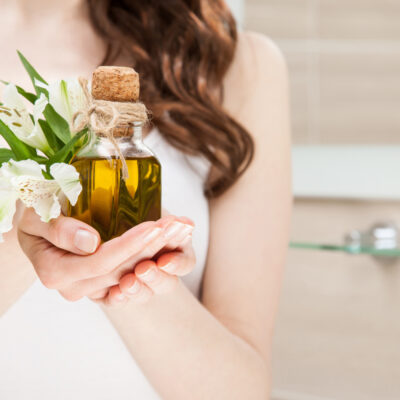
Over the centuries, essential oils have been prescribed by natural practitioners to treat various skin conditions and health ailments. Natural oils, in other words, essential oils, are botanical extracts derived from various plants and trees. Keep in mind, many of these oils are very concentrated in their pure from so they often require a few drops of carrier oil (i.e., almond oil) or moisturizer (i.e., shea butter) to diluted an otherwise powerfully harsh essence on the skin. Read on for the most beneficial essential oils for your skin and beauty routine: 1. Tea tree oil Many folks who are acne prone already have a bottle of this essential oil in their medicine cabinet. Tea tree oil, also known as melaleuca oil, has a strong, fresh camphoraceous odor. However, tea tree oil also works as a potent antibacterial and astringent oil that is linked to the cleaning and healing of skin wounds, as well as to banishing the early signs of a acne breakout. Bonus points for tea tree oil as it also helps to fight cold sores and viral, fungal, and bacterial skin infections (i.e., impetigo). 2. Lavender oil We sip lavender tea, light lavender candles, and soak in lavender-scented baths to calm, soothe, and hydrate our bodies.
Read More
Powerful Superfoods for your Beauty Routine
Beauty

Powerful Superfoods for your Beauty Routine

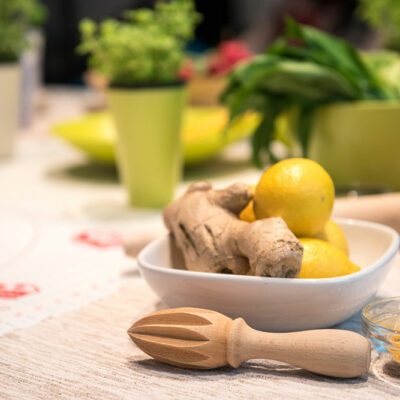
You might roll your eyes at the phrase “beauty starts on the inside,” or “you are what you eat”. However, while ideal health and happiness cannot be found in a diet or a exercise routine, it may well be found in a jar! What we eat and drink and put into our bodies has a direct impact on our skin, which is why consuming a diet chock full of healthy fats, amino acids, anti-inflammatories, and don’t forget those antioxidants can literally turn your visage from puffly, dull, wrinkled, and droopy to radiant, taunt, fresh, and glowing. These superfoods do wonders for you complexion: 1. Lemons Vitamin C is an oft featured ingredient in skin care products, but it’s also a natural component of lemons. Despite their pucker-producing taste, lemons are actually an alkalizing fruit, meaning they balance out the acidic pH in our bodies, which is so often the prime source of skin inflammation, irritation, and sensitivity. Lemons help keep a balanced pH by alkalizing the blood and undoing the damage caused by consuming fast foods, alcohol and caffeinated beverages. Alkalizing foods, like lemons, also encourage elastin and collagen production, which gets us closer to those firm, glowing skin goals.
Read More
The Many Benefits of Coconut Oil for Glowing Skin
Beauty

The Many Benefits of Coconut Oil for Glowing Skin

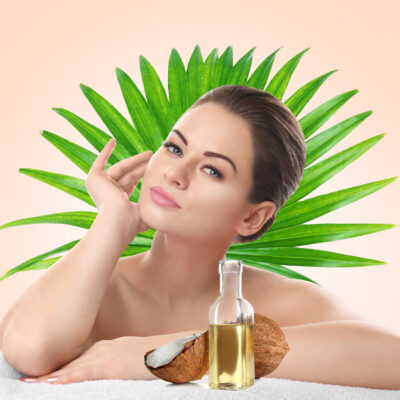
Coconut oil gets a lot of hype. Traditionally a cooking oil, over the past few years many have touted it as a “super food” for treating everything from high cholesterol to promoting luscious hair and glowing skin. Coconut oil is made by extracting a mixture of of lauric acid, saturated fats (specifically medium-chain fatty acids) from raw coconuts. It’s these medium-chain fatty acids that have been linked to an array of skin benefits—including healthy hydration, reduced redness and inflammation, banishing acne breakouts, and even encouraging cell regeneration and wound healing. Here are a few of the many scientifically-backed benefits of coconut oil for skin health: 1. Coconut oil reduces frequency of breakouts Another embarrassing breakout before a big event? Apply a bit of coconut oil directly to whiteheads and let the natural anti-inflammatory and antibacterial benefits banish zits for good. Dermatologists recommend coconut oil over harsh benzoyl peroxide for a good reason—this oil is loaded with antibacterial and anti-inflammatory properties, as well as a bacteria blasting secret weapon known as lauric acid. In fact, more than 50% of the healthy fatty acids in coconut oil is lauric acid, which eradicates a specific strain of bacteria, known as Propionibacterium acnes (or P.
Read More
The Top Food Allergies in Cats and Dogs
Food

The Top Food Allergies in Cats and Dogs

Like people, food allergies can occur in pets at almost any age. Just like in humans, allergic response in cats and dogs is triggered when the immune system responds negatively to specific proteins during digestion. Allergic response typically occurs once food is broken down in the stomach, as enzymes break down proteins into absorbable amino acids, which are then fully absorbed. However, there are specialized immune cells in the immune system may target certain proteins as foreign substances, triggering a negative reaction by the immune system whenever the protein is consumed. Allergies in pets may develop right away or after years of consuming a particular allergen. Look for symptoms of allergy including itching and biting skin, swelling of lymph nodes, skin rash, skin infection or ear infections, hair loss, lethargy, excessive gas, burping, scooting due to rectal itch, stomach upset, vomiting, sudden weight loss, lack of appetite, and diarrhea. Most times a simple food swap, such as eliminating the offensive food substance and replacing it with a hypoallergenic option will eliminate symptoms completely. Read on for the most common types of food allergies in cats and dogs: 1. Animal proteins Proteins, like chicken, are among the most common allergens in cats.
Read More
What Are the Health Benefits of Lemongrass?
Food

What Are the Health Benefits of Lemongrass?

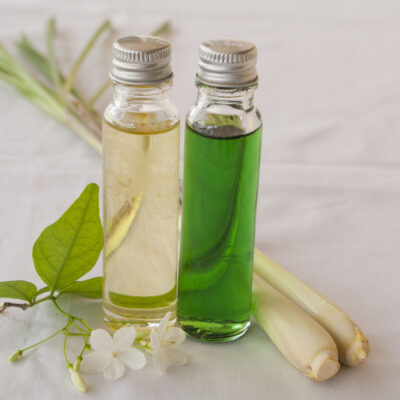
Lemongrass, also referred to as citronella, is a stalky tropical grass with a subtly tangy yet refreshing lemon aroma. Often featured as a bug repellant or in aromatic products that promote a good night’s slumber or melt away stress, lemongrass is also a prime feature in Thai, African, and Vietnamese dishes. Indeed, brewing up a cup of lemongrass tea has long been used to boost immunity and digestion, which is why this plant is often recommended as a medicinal herb also prescribed to for it’s many antibacterial and antifungal benefits. You can enjoy the many benefits of lemongrass in these ways: 1. Reduces inflammation Natural practitioners have long prescribed lemongrass for its ability to reduce inflammation throughout the body. Lemongrass features a powerful triad of inflammation-fighting compounds—isoorientin, swertiajaponin, and chlorogenic acid—known for reducing arthritis, achy joints, and even gout. Plus, lemongrass can be used preventatively to prevent inflammatory conditions such as cardiovascular disease. 2. Fights infection For centuries, lemongrass has been used to fight parasites and fungal infections of the digestive and respiratory tract thrush. However, researchers from the Memorial Sloan Kettering Cancer Center in New York continue to examine the benefits of lemongrass when it comes to preventing infection in immunosuppressed patients with HIV.
Read More
Different types of treatments for vaginal atrophy
Women's Health

Different types of treatments for vaginal atrophy

Different types of treatments used for vaginal atrophy Atrophic vaginitis or vaginal atrophy is a condition in which the walls of the vagina turn dry, thin, and are inflamed. Approximately 10% to 40% of women experience this condition. This usually happens after menopause, when the estrogen levels in a woman’s body fall drastically. However, it can also affect women after childbirth or while they are on anti-estrogen medications. Vaginal atrophy is characterized by symptoms such as vaginal dryness, runny discharge that is gray or yellow, thinning of the labia, pale labia, pain during sexual intercourse, and recurrent urinary tract infections. Treating vaginal atrophy To diagnose atrophic vaginitis, the gynecologist will order for a pelvic exam, a urine, and an acid balance test. If the test results are positive for atrophic vaginitis, the doctor will recommend the following treatments. One will be prescribed the following over-the-counter solutions at the beginning of the treatment. Water-based lubricants For reducing pain and discomfort while having intercourse, the woman can use a water-based lubricant. One should ideally pick products that don’t have glycerin as it can cause burning and tenderness. Likewise, women should avoid using petroleum-based products such as petroleum jelly if they are also using condoms.
Read More
Debunking 4 myths about birth control
Women's Health

Debunking 4 myths about birth control

Debunking 4 myths about birth control When it comes to avoiding unwanted pregnancy, there are several birth control methods that women opt for. Some of the most common ones include the use of a condom, birth control pills, the ring, intrauterine devices (IUD), and injections that are effective for three months. When it comes to the birth control options, irrespective of how safe they are deemed to be, people continue to harbor several misconceptions about them. These myths often interfere with women practicing safe birth control methods, which is why it becomes essential to debunk the myths and get acquainted with the reality of these birth control methods. Read on to learn about the various myths related to birth control methods. Myth 1: The pill causes weight gain The birth control pills are considered to be one of the safest birth control methods. However, there’s a common misconception which is often fuelled by erroneous information on the Internet, and one of these myths is that the birth control pill causes weight gain. The truth about birth control pills is that this depends entirely on the prescription. The pill contains estrogen and this can cause women to feel bloated, but this goes away on its own.
Read More